What to Do When Your Car Breaks Down on the Highway: Essential Safety and Emergency Roadside Assistance Steps
Experiencing a car breakdown on the highway can be a stressful and dangerous situation. Knowing the right steps to take can significantly enhance your safety and ensure a swift resolution. This comprehensive guide will provide you with essential safety measures, effective responses to common breakdown scenarios, and how to contact emergency roadside assistance. By understanding these steps, you can navigate the challenges of a vehicle breakdown with confidence and clarity. We will also explore local considerations specific to Oregon highways and preventative measures to reduce the risk of future breakdowns. For more information, visit our services.
How Can You Prioritize Safety Immediately After a Highway Car Breakdown?
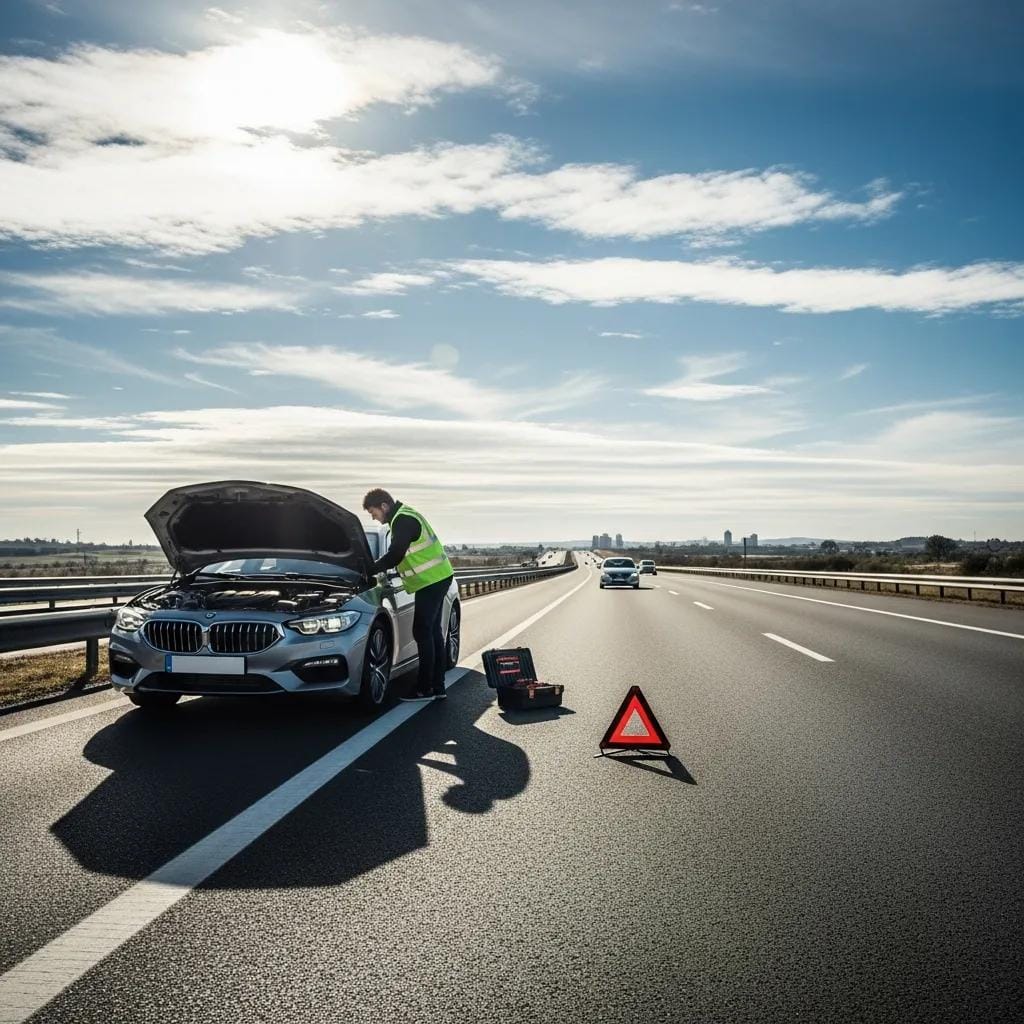
Prioritizing safety is crucial immediately after a car breakdown on the highway. The first step is to ensure that you and your passengers are safe from oncoming traffic. This involves moving your vehicle to a safe location, activating hazard lights, and remaining aware of your surroundings.
What Are the Best Practices for Safely Moving Your Vehicle to the Shoulder?

To safely move your vehicle to the shoulder, follow these best practices:
- Use Hazard Lights: Activate your hazard lights to alert other drivers of your situation.
- Find a Safe Spot: Look for a straight stretch of road where you can pull over without obstructing traffic.
- Avoid Traffic: If possible, steer your vehicle as far to the right as possible to minimize risk.
By following these steps, you can ensure that you are out of harm’s way while waiting for assistance.
How Do You Make Your Vehicle Visible to Other Drivers on the Highway?
Making your vehicle visible is essential for your safety. Here are effective methods to increase visibility:
- Use Flares: If you have flares, place them at a safe distance behind your vehicle to warn oncoming traffic.
- Reflective Triangles: Set up reflective triangles to alert drivers of your presence.
- Raise the Hood: Raising your vehicle’s hood signals to others that you are experiencing trouble.
These measures can help prevent further accidents and ensure that you are seen by other drivers.
What Are Common Highway Breakdown Scenarios and How Can You Respond Effectively?
Understanding common breakdown scenarios can prepare you for effective responses. Here are some typical situations you might encounter:
- Flat Tire: A flat tire can occur unexpectedly, and knowing when to change it yourself or call for help is vital.
- Dead Battery: A dead battery can leave you stranded, but knowing how to jump-start your vehicle safely can save time.
- Out of Gas: Running out of fuel is a common issue that can be easily resolved with the right approach.
When Should You Attempt a Flat Tire Change and When Should You Call for Help?
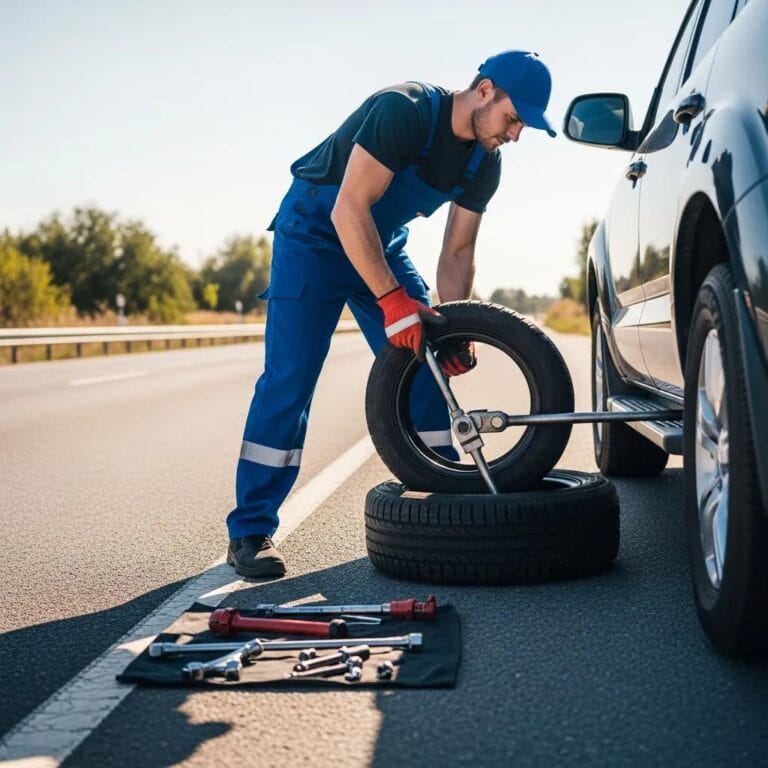
When dealing with a flat tire, consider the following: services
- Safety Considerations: If you are in a high-traffic area or on a busy highway, it may be safer to call for assistance rather than attempt a change.
- Tools Needed: Ensure you have the necessary tools, such as a jack and spare tire, before attempting a change.
- When to Call J.D. Towing & Roadside LLC: If you feel uncomfortable or lack the tools, calling J.D. Towing & Roadside LLC is a wise choice.
Knowing when to act and when to seek help can prevent accidents and ensure your safety.
How Do You Handle a Dead Battery or Jump Start Safely on the Interstate?
Handling a dead battery requires caution. Here’s how to do it safely:
- Safety Precautions: Ensure your vehicle is in a safe location away from traffic.
- Tools Required: You will need jumper cables and a working vehicle to jump-start your battery.
- When to Call for Assistance: If you are unsure about the process or lack the necessary equipment, it’s best to call for help.
By following these steps, you can safely address a dead battery situation.
How Do You Contact Emergency Roadside Assistance and Tow Truck Services on Oregon Highways?
Contacting emergency roadside assistance is a critical step after a breakdown. Knowing what information to provide can expedite the process.
What Information Should You Provide When Calling J.D. Towing & Roadside LLC?
- Location Details: Clearly state your location, including mile markers or landmarks.
- Vehicle Information: Provide details about your vehicle, such as make, model, and color.
- Nature of the Problem: Describe the issue you are experiencing to help the operator understand your needs.
This information will help J.D. Towing & Roadside LLC respond quickly and effectively.
What Specialized Towing Services Are Available for Electric Vehicles and Remote Locations?
Electric vehicles (EVs) may require specialized towing services due to their unique needs. Here are some considerations:
- EV Towing Challenges: Towing an electric vehicle requires specific equipment to avoid damage, such as flatbed towing.
- Specialized Equipment: Ensure the towing service has the necessary tools to handle EVs safely.
- Local Service Availability: J.D. Towing & Roadside LLC offers specialized services for electric vehicles, ensuring safe transport.
Understanding these factors can help you choose the right service for your needs.
What Local Oregon Highway Considerations Should Drivers Know During a Breakdown?
When experiencing a breakdown in Oregon, it’s essential to be aware of local highway considerations.
What Safety Tips Apply Specifically to I-5 and Highway 22 in Marion, Linn, and Polk Counties?
- Traffic Patterns: Be aware of peak traffic times to avoid high-risk situations.
- Common Hazards: Watch for construction zones and wildlife crossings that may pose additional risks.
- Emergency Contacts: Familiarize yourself with local emergency contacts for quick assistance.
These tips can enhance your safety while navigating Oregon highways.
Effective emergency response and traffic management are crucial for ensuring safety and minimizing disruption during highway incidents.
Emergency Roadside Assistance & Traffic Management
In addition, the proposed model includes an efficient policy based on the shortest path for police cars and ambulances such that they can attend the accident scene quickly and relieve traffic congestion.
Markov-based emergency message reduction scheme for roadside assistance, HH Cho, 2017
How Does J.D. Towing Support Drivers on These Local Highways?
J.D. Towing & Roadside LLC provides essential support for drivers on local highways: services
- Response Times: The company is known for its prompt response to emergencies.
- Local Knowledge: Their familiarity with the area allows for efficient service.
- Service Range: J.D. Towing offers a wide range of services, including towing and roadside assistance.
This local expertise can make a significant difference during a stressful situation.
How Can You Prevent Future Highway Breakdowns and Prepare for Emergencies?
Preventing future breakdowns involves proactive measures and preparation.
What Essential Items Should Be Included in an Emergency Roadside Kit?
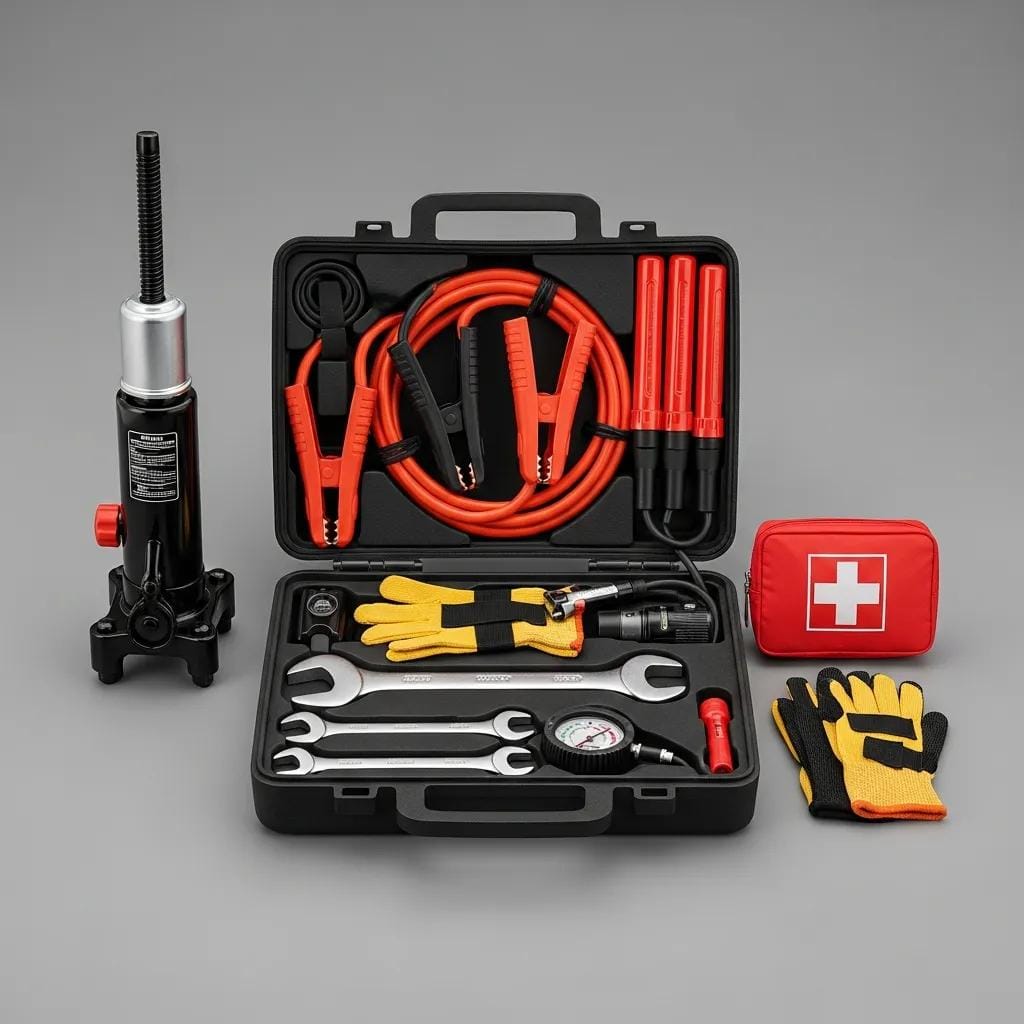
An emergency roadside kit should contain the following essential items:
- Basic Tools: Include a jack, tire iron, and jumper cables.
- Safety Equipment: Flares, reflective triangles, and a first aid kit are crucial for safety.
- Emergency Supplies: Non-perishable snacks and water can be lifesavers during long waits.
Having these items readily available can help you manage emergencies effectively.
What Vehicle Maintenance Tips Help Reduce the Risk of Highway Breakdowns?
Regular vehicle maintenance is key to preventing breakdowns. Consider these tips:
- Regular Oil Changes: Keep your engine running smoothly by changing the oil as recommended by your vehicle manufacturer.
- Tire Checks: Regularly inspect tire pressure and tread depth to ensure safety.
- Battery Maintenance: Check battery connections and replace old batteries to avoid failures.
Implementing these maintenance practices can significantly reduce the likelihood of breakdowns.
What Are Frequently Asked Questions About Highway Car Breakdowns and Roadside Assistance?
Addressing common questions can help drivers feel more prepared for potential breakdowns.
What Should You Do If Your Car Breaks Down at Night on the Highway?
If your car breaks down at night, follow these steps: services
- Stay Visible: Use hazard lights and set up flares or reflective triangles to alert other drivers.
- Stay Inside: If it’s safe, remain inside your vehicle until help arrives.
- Call for Help: Contact roadside assistance immediately for support.
These actions can enhance your safety during nighttime breakdowns.
Is It Safer to Stay Inside Your Vehicle or Exit During a Breakdown?
Deciding whether to stay inside or exit your vehicle depends on the situation:
- Traffic Considerations: If you are in a high-traffic area, staying inside may be safer.
- Personal Safety: Assess the risk of remaining in the vehicle versus exiting to seek help.
- Emergency Protocols: Follow local emergency protocols for breakdowns to ensure safety.
Understanding these factors can help you make informed decisions during a breakdown.