Stay Safe: What to Do When Your Car Breaks Down Highway
When your car breaks down on the highway, follow our emergency guide for effective vehicle breakdown steps. Stay safe and get back on the road quickly!
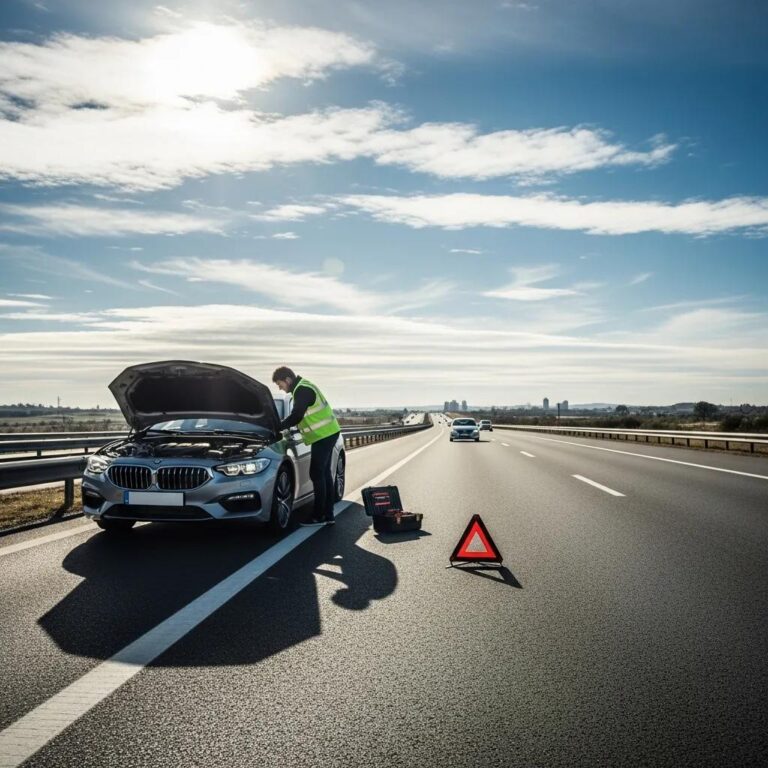
When your car breaks down on the highway, follow our emergency guide for effective vehicle breakdown steps. Stay safe and get back on the road quickly!
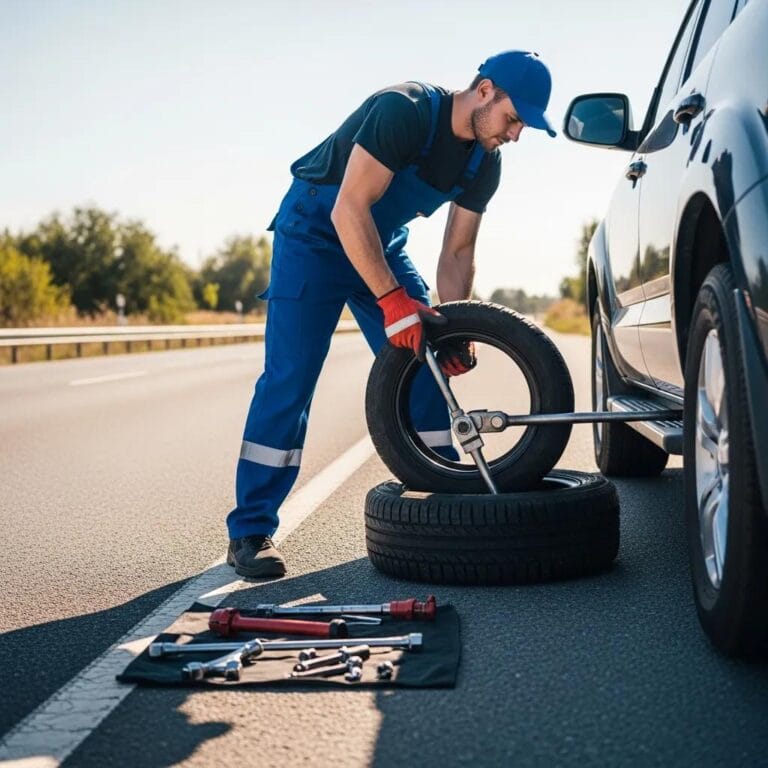
Get immediate roadside help with our reliable 24/7 towing service. Whether it’s a flat tire or a breakdown, we’re here to assist you quickly and efficiently.
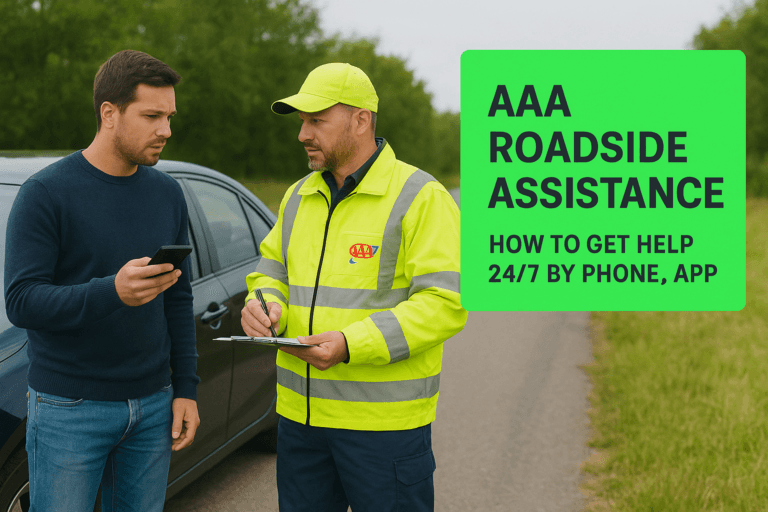
Your car won’t start in a parking lot at midnight. You’ve got a flat tire on the side of the highway. Or maybe you just locked your keys inside at the gas station, and you’re miles from home. Vehicle emergencies happen without warning, and when they do, you need reliable help immediately. Standing next to…
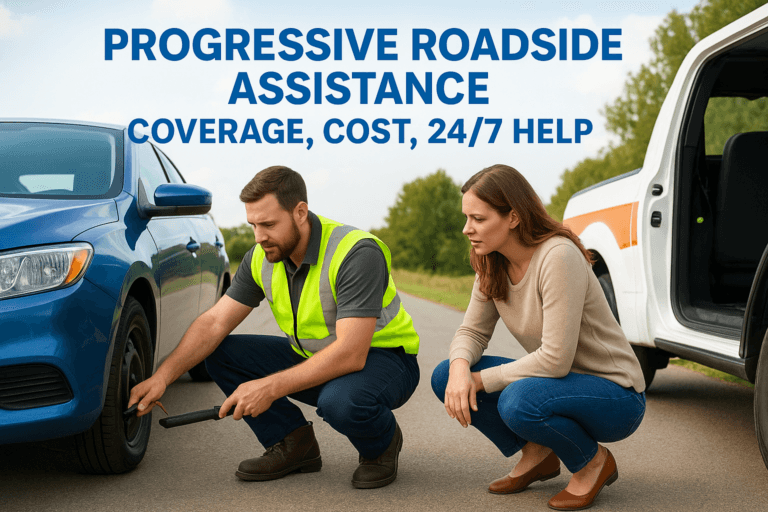
Progressive roadside assistance is an optional add-on to your auto insurance policy that sends help when your vehicle breaks down. For around $16 per year, you get access to towing, jump-starts, flat tire changes, fuel delivery, and lockout services whenever you need them. You can request help by calling their 24/7 hotline or through their…
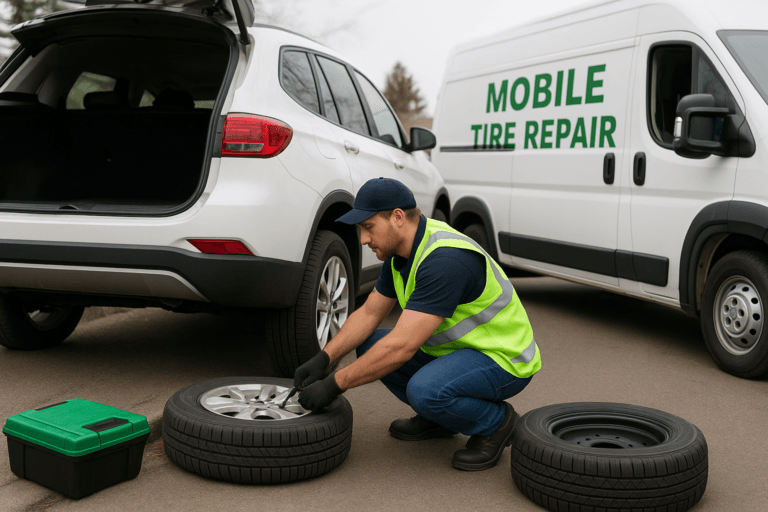
Your tire just went flat on the side of the road. Or maybe you woke up to find your car sitting on a rim in your driveway. Either way, you need help now. You don’t have time to drive to a shop, wait around for hours, or deal with changing the tire yourself in the…
Roadside assistance services provide crucial support during vehicle emergencies, ensuring that drivers receive timely help when they encounter problems on the road. These services typically include towing, tire changes, fuel delivery, jump-starts, and lockout assistance, enabling drivers to get back on their way quickly and safely.
For example, if a driver experiences a flat tire, roadside assistance can dispatch a technician to change the tire on-site, saving the driver from the hassle of dealing with the issue alone. Many insurance companies and auto clubs offer these services as part of their policies, making it essential for drivers to understand their options and coverage.
Selecting the right roadside assistance plan involves evaluating your driving habits, vehicle type, and specific needs. Factors to consider include the types of services offered, coverage limits, response times, and costs associated with the plan. Understanding these elements can help you choose a plan that best fits your lifestyle.
For instance, frequent long-distance travelers might prioritize plans with extensive towing coverage and quick response times, while occasional city drivers may find basic plans sufficient. Comparing different providers and their offerings can lead to a more informed decision, ensuring you have the right support in case of an emergency.
There are several misconceptions about roadside assistance that can lead to confusion among drivers. One common myth is that all insurance policies automatically include roadside assistance, which is not always the case. Many drivers may be surprised to find that they need to purchase this coverage separately or as an add-on to their existing policy.
Another myth is that roadside assistance is only for severe emergencies, but in reality, it can also be beneficial for minor issues like a dead battery or a flat tire. Understanding these myths can help drivers better prepare for emergencies and utilize the services available to them effectively.
Being prepared for roadside emergencies can significantly reduce stress during unforeseen situations. Drivers should keep essential items in their vehicles, such as a first aid kit, flashlight, water, and basic tools. Additionally, having a charged phone and the contact information for roadside assistance services readily available can make a difference in critical moments.
It's also wise to familiarize yourself with your vehicle's manual, which often contains troubleshooting tips for common issues. Regular vehicle maintenance, such as checking tire pressure and battery health, can prevent many emergencies from occurring in the first place, ensuring a safer driving experience.